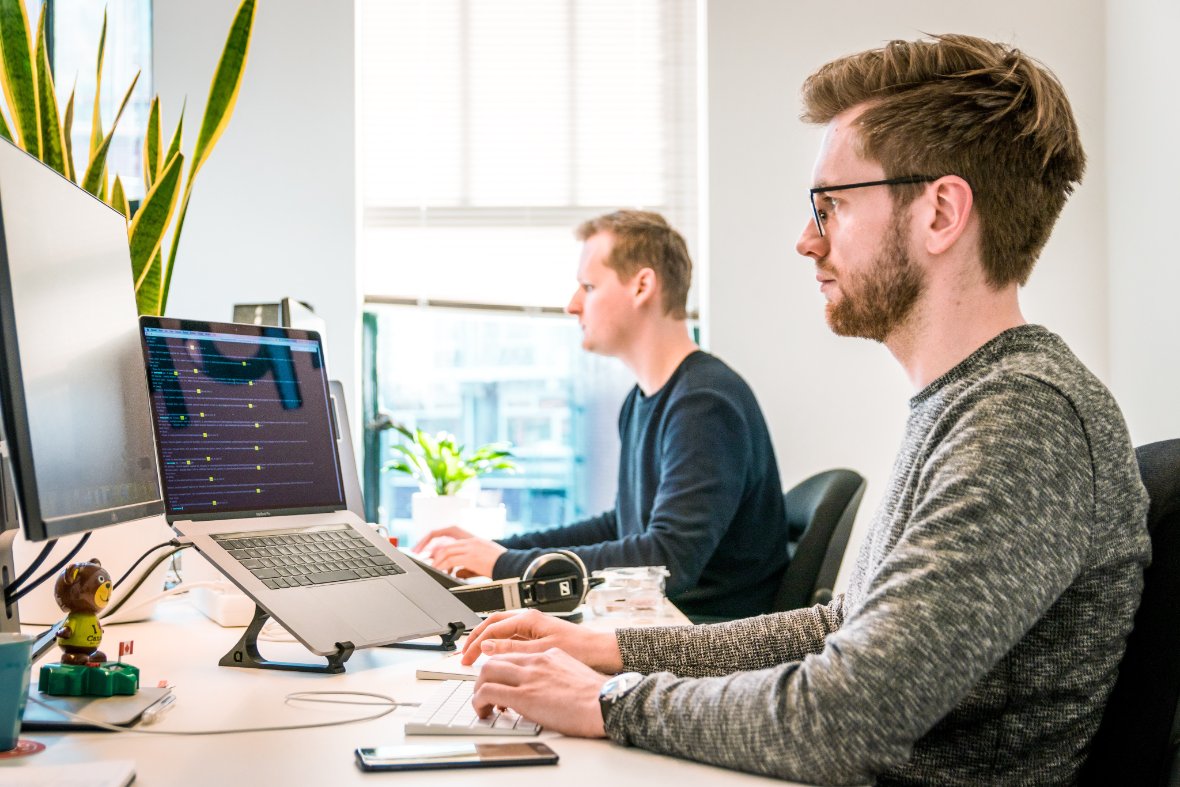
Every young company eventually writes the "we moved into our first office" post. We are going to write a different one, because for ConnectSoft the milestone that actually mattered was never a lease. It was the moment our distributed teams started shipping like a single, well-run team. Our headquarters is not a building - it is an operating model.
ConnectSoft is remote-first and founder-led. That is a deliberate choice, not a pandemic hangover. It lets us assemble the right people around a problem regardless of geography, and it forces us to make our way of working explicit instead of relying on hallway osmosis. This post is a tour of that operating model: how we stay aligned, how work flows from idea to production, and what keeps quality high when nobody shares a physical room.
Why remote-first, and why it needs structure
Remote work fails when teams treat it as "the office, but over video." It succeeds when the organization writes things down. Distributed teams cannot lean on tribal knowledge, so we replace it with shared, versioned standards: how we structure a solution, how we name things, how we review code, how we ship. The constraint becomes an advantage - because it is all explicit, it is all teachable, automatable, and improvable.
The founder-led part matters too. Architecture and quality decisions have a clear owner and a consistent point of view, so teams are not re-litigating the basics on every engagement. People spend their energy on the domain problem in front of them, not on reinventing conventions.
The three things that replace a building
When you remove the office, you have to consciously rebuild what it quietly provided: alignment, a place where work happens, and a sense of standards. We do that with three things.
1. Shared standards as the real headquarters
Our standards live in code and documentation, not in someone's memory. Clean Architecture boundaries, naming conventions, testing expectations, and review rules are written down and, wherever possible, enforced automatically. Architecture tests fail the build when a dependency points the wrong way. Analyzers and formatting rules keep every repository looking like it was written by one team. New engineers ramp on the same standards everywhere, so moving between projects is fast.
2. A delivery factory that does the repetitive work
The slow, error-prone first weeks of a project - scaffolding, wiring identity, setting up CI/CD, adding observability - are exactly the parts that should never be hand-built again. Our delivery factory and solution templates turn that into a starting point, not a project. New work begins from a production-ready baseline that already embodies our standards, so teams reach the interesting domain problems on day one.
3. Platforms instead of one-off plumbing
Multi-tenancy, billing, identity, audit, and AI assistance are not things each product should rebuild. We treat them as platforms and reusable building blocks. A team composes them rather than re-implementing them, which keeps quality consistent and lets small teams deliver things that would normally need a much larger group.
How work flows: from discovery to production
A remote team needs a visible, predictable path for work, because you cannot tap someone on the shoulder to ask "where is this?" Our flow has four stages, each with a clear exit:
- Discovery - we frame the problem, constraints, and success criteria before writing code. The output is a shared understanding, not a guess.
- Design - we decide the architecture and the boundaries, and we capture the rationale as decision records so the "why" survives.
- Build - small, short-lived branches, frequent integration, and review against shared rules keep the main branch always shippable.
- Ship - automated, observable, reversible releases with health-gated rollouts, so deploying is boring on purpose.
Quality gates run throughout rather than at the end: automated tests, architecture rules, and code review are conditions for merging, not afterthoughts. That is what lets a distributed team move quickly without trading away reliability.
Asynchronous by default, synchronous on purpose
Remote-first does not mean meeting-first. We default to asynchronous communication - written proposals, decision records, pull request discussions - so progress does not depend on everyone being awake at the same time. We reserve synchronous time for the things it is genuinely good at: kickoffs, design debates, pairing on something gnarly, and keeping human relationships warm. The result is fewer meetings that matter more.
Culture you can run, not just frame on a wall
Values only count when they show up in how work actually happens. Ours are practical: write it down, automate the boring parts, leave the codebase better than you found it, and keep humans in the loop on the decisions that matter. Because these are encoded in templates, tests, and review rules, they are not posters - they are the path of least resistance.
So, did we get an office?
Maybe, someday, where it helps people collaborate. But it will be a tool, not the headquarters. The thing that makes ConnectSoft work travels with every engineer, in every repository, on every engagement: a shared way of building software well, together, from anywhere. That is the office we actually built first.







